


How to Find a Food Pantry Guide by Zip Code or County
Finding a food pantry should never feel confusing or overwhelming. When a family needs help, the last thing they should struggle with is figuring out where to go. The good news is that today, it’s easier than ever to locate a nearby pantry using your zip code, county, or neighborhood. The challenge is knowing which tools actually work and how to use them without wasting time.
This guide walks you through the best ways to find a food pantry quickly, the common mistakes people make when searching, and what to expect once you find the right location. Everything is explained in simple language so anyone, regardless of age, background, or tech comfort, can follow along.
Whether you need groceries today, are helping someone else, or plan to support a local pantry, this guide gives you the practical steps you need.
Why People Search for Food Pantries by Zip Code or County
Most people begin their search with a location-based question: “Where is the closest food pantry near me?”
Searching by zip code or county is effective because:
- It narrows down the results instantly
- It connects you with pantries that actually serve your area
- It helps you find food distribution days faster
- It avoids visiting locations outside your eligibility zone
Many pantries serve specific counties or certain zip codes, so using accurate location details saves time and prevents confusion.
Step-by-Step Guide: How to Find a Food Pantry by Zip Code
There are several reliable ways to search. Here are the best, simplest, and most trusted methods.
1. Use Local Search Tools
Typing “food pantry near me” or “food pantry [your zip code]” into any major search engine works well for most people. This pulls up local listings, addresses, maps, opening hours, and contact details.
But there’s one tip people often forget:
Always check the hours before going. Food pantry hours can change weekly, especially during holidays or emergency seasons.
2. Call 211 for Immediate Help
Dialing 211 is one of the fastest ways to locate food assistance. This service exists in almost every U.S. county. The operator will ask for your zip code and then give you a list of nearby pantries, mobile food distributions, and emergency programs.
This option is especially useful for:
- Seniors
- People without internet access
- Individuals who prefer speaking to a real person
211 operators are kind, patient, and trained to help.
3. Visit Your County’s Community Resource Website
Every county maintains a directory of food assistance programs. These lists are usually updated weekly or monthly, depending on the county. They often include:
- Permanent food pantry locations
- Mobile food pantry schedules
- School distribution sites
- Senior food programs
- Emergency meal services
This method works best for people looking for long-term or repeated food support.
4. Check Your Regional Food Bank Directory
Regional food banks rarely distribute food directly. However, they maintain the most accurate list of partner food pantries.
Their online tools usually allow you to search by:
- Zip code
- County
- City
- Distance from your home
Because food banks supply most local pantries, their directories are reliable and up to date.
5. Contact Local Schools and Community Centers
Many households don’t realize that schools often act as food distribution points. This is especially true for:
- Low-income neighborhoods
- Districts with weekend meal programs
- Schools offering emergency grocery bags
- Communities with high food insecurity
Community centers, libraries, and even city recreation departments also post updated pantry information.
6. Search for Mobile Food Pantries by County
Mobile food pantries travel to different neighborhoods, especially rural areas with limited access. They work on set schedules, so county websites usually publish a monthly calendar.
Mobile pantries are great options if you:
- Have transportation issues
- Live outside city limits
- Need large food distributions
- Prefer drive-through options
Always check the county calendar first because schedules change often.
7. Use Social Media Community Pages
Surprisingly, local Facebook groups, neighborhood pages, and community boards frequently post pantry announcements. These include:
- Last-minute food distributions
- Pop-up pantries
- Weather-related schedule changes
- Holiday food events
People often share real-time updates, which can be more accurate than websites.
How to Search for Food Pantries by County
Searching by county can be just as effective, especially when:
- You live in a rural area
- Your city has limited pantry options
- You want access to mobile pantry schedules
- You’re looking for county-supported programs
County-level searches often reveal additional resources such as:
- Nutrition assistance programs
- Senior food boxes
- Family service centers
- Children’s meal programs
- Emergency hotlines
This broader search ensures you don’t miss any available support in your region.
What to Expect When Visiting a Food Pantry
Knowing what to expect reduces stress. While every pantry is different, most follow a similar structure.
1. Arrival and Check-In
You may be asked for:
- Your name
- Your zip code
- Household size
This is for reporting purposes, not judgment. Many pantries ask for nothing at all.
2. Shopping Style or Pre-Packed Bags
Pantries offer two main formats:
Choice Pantry
You select items like you would in a small grocery store.
Pre-Packed Distribution
Volunteers hand you prepared bags or boxes.
Both methods are designed to be quick, simple, and respectful.
3. Food Variety
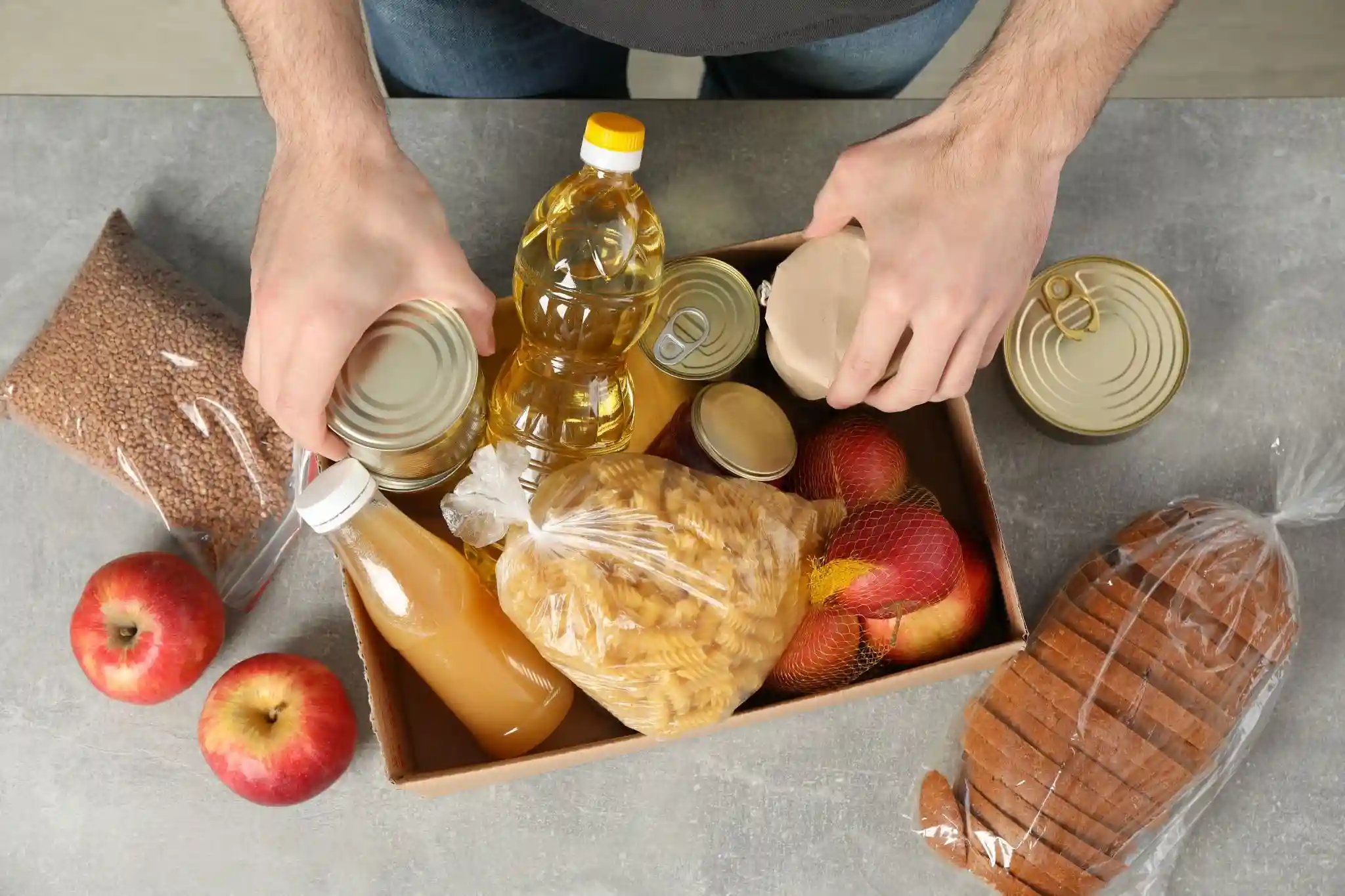
Depending on the pantry, you may receive:
- Fresh produce
- Grains and pasta
- Meat or dairy
- Canned foods
- Snacks and drinks
- Baby supplies
- Hygiene items
The selection changes weekly based on donations and food bank deliveries.
4. Friendly Volunteers and Supportive Staff
Pantry volunteers work hard to create a welcoming environment. Many have experience helping:
- Families
- Seniors
- Students
- Individuals facing temporary hardship
You will not be judged. You will be supported.
Tips for Finding the Right Pantry for Your Needs
Everyone’s situation is different. Here are a few tips to help you choose the best pantry for your household.
1. Check Hours Carefully
Some pantries open one day a week. Others offer evening hours. Some work by appointment during busy seasons.
2. Ask About Special Programs
Many pantries offer:
- Diabetic-friendly food
- Infant formula
- Fresh produce days
- Holiday boxes
- Senior boxes
- Pet food distributions
If you have specific needs, don’t hesitate to ask.
3. Look for Drive-Through Options
Drive-through pantries are convenient for:
- Seniors
- Parents with young children
- People with limited mobility
These options are fast, organized, and accessible.
4. Explore Multiple Pantries
You’re not limited to one pantry. You may find:
- One pantry offers better produce
- Another offers protein or dairy
- A third offers weekend hours
Using more than one pantry is common and completely acceptable.
FAQs
1. Can I visit a food pantry outside my zip code or county?
Yes, many pantries allow visitors from any location, but some restrict service to specific zip codes or counties. It depends on their funding and partnership agreements. It’s best to call ahead or check their website to confirm whether they serve people from outside your area.
2. How often can I receive food from a pantry in my county?
Policies vary widely. Some pantries allow weekly visits, while others offer food once or twice a month. County-supported programs sometimes have additional rules. The best approach is to contact each pantry directly, ask about their schedule, and check if they have limits based on household size.
Conclusion
Finding a food pantry by zip code or county doesn’t have to be stressful or complicated. With the right tools, search engines, 211, county websites, food bank directories, social media, and school resources, you can locate help quickly and confidently. Food assistance exists to support you, your family, or anyone in need, and these programs are designed to be welcoming, simple, and accessible.
When you know where to look and what to expect, the process becomes much easier. You can get the groceries you need, connect with supportive volunteers, and access ongoing programs that help stabilize your household. Food pantries are community lifelines, use them whenever you need them, without hesitation.