


Food Pantry vs Regional Food Bank: Key Differences Defined
Most people use the words “food pantry” and “food bank” as if they mean the same thing. They do not. Both play major roles in addressing hunger, but they operate at different levels, serve different purposes, and impact communities in unique ways.
Understanding the difference matters. It helps families know where to get help. It helps donors know how to support hunger-relief work effectively. And it helps communities appreciate the complex system that brings food from farms, manufacturers, and donors to the tables of families who need it most.
This guide breaks down the differences in simple language so anyone can understand how these organizations work and why both are absolutely essential.
What Is a Food Pantry?
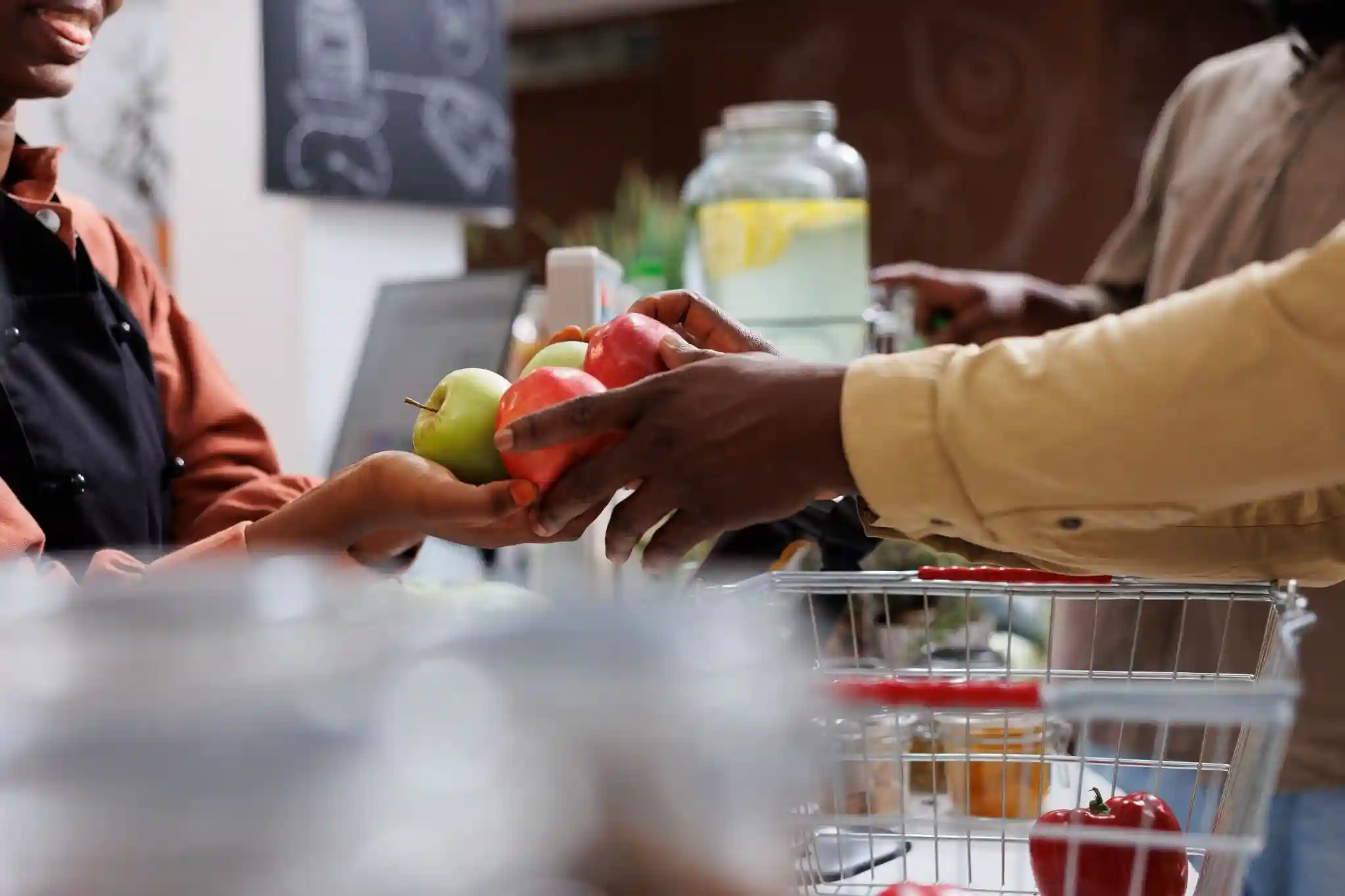
A food pantry is the last stop in the hunger-relief chain, the place where individuals and families actually receive food. It is the direct point of contact with the community.
Food pantries are often located inside:
- Nonprofits
- Churches
- Schools
- Community centers
- Multi-service organizations
Their mission is simple: give free food to people who need it.
Pantries have limited storage space. Most rely heavily on volunteers. And they often serve dozens or hundreds of families each week. When someone needs food today, a pantry is the place they go.
What Is a Regional Food Bank?
A regional food bank operates at a much larger scale. Think of it as the warehouse and supply hub behind nearly every food pantry. Food banks receive millions of pounds of food every year from:
- Farmers
- Manufacturers
- Grocery partners
- Restaurants
- Donation drives
- Federal food programs
They sort, store, and distribute this food to local food pantries, meal programs, shelters, and community agencies. Food banks rarely give food directly to the public. Instead, they serve hundreds of partner organizations.
In short:Food banks are the suppliers. Food pantries are the distributors.
Key Differences Between Food Pantries and Regional Food Banks
Let’s look deeper into the major distinctions that separate these two types of organizations.
1. Scale of Operation
Food Pantries
Food pantries work at the neighborhood or community level. Their scale is small, personal, and localized. They serve individuals, families, and households directly.
Food Banks
Regional food banks operate at county, multi-county, or even statewide levels. They manage enormous inventories, transportation fleets, and distribution systems.
2. Who They Serve
Food Pantries Serve Individuals
When someone walks in asking for help, a pantry hands them groceries immediately.
Food Banks Serve Organizations
Food banks do not serve the general public. Their “customers” are food pantries, shelters, senior programs, and local nonprofits.
3. Location and Accessibility
Food Pantries
Pantries are located in the neighborhoods they serve, often within walking distance for many families. Accessibility is extremely important.
Food Banks
Food banks are typically located in industrial or warehouse zones because they require:
- Loading docks
- Large storage
- Refrigerated facilities
- Truck access
These locations are not meant for public pickup.
4. Storage and Inventory Capacity
Food Pantries
Pantries have limited storage. Donations move quickly. Many pantries receive food weekly or biweekly from their regional food bank.
Food Banks
Food banks store thousands of pallets of food at a time. They manage:
- Walk-in coolers
- Industrial freezers
- Dry storage warehouses
- Transport trucks
Their scale is comparable to a distribution center.
5. Type of Food Distributed
Food Pantries
Pantries distribute food packaged for households:
- Packaged produce
- Shelf-stable groceries
- Meat and dairy (if they have refrigeration)
- Ready-to-eat items
Food Banks
Food banks receive and handle mass quantities, including:
- Food in bulk
- Palletized goods
- Wholesale-level donations
They break it down and distribute it to local agencies.
6. Funding Sources
Both rely on donations, but their financial needs differ.
Food Pantries
Pantries need money for:
- Bags and supplies
- Basic equipment
- Small fridges
- Volunteer support
- Purchasing specific food items
Food Banks
Food banks have much larger budgets due to:
- Staff
- Warehousing
- Transportation
- Logistics
- Food purchasing at scale
A single refrigerated truck can cost more than an entire yearly pantry budget.
7. Staffing and Volunteers
Food Pantries
Most are volunteer-run with only a small number of paid staff, if any.
Food Banks
Food banks operate like large nonprofits with departments such as:
- Logistics
- Procurement
- Nutrition services
- Safety
- Programs
- Administration
Volunteers still play a huge role, but the operations are professionally managed.
8. Impact on the Community
Food Pantries
Provide immediate hunger relief. Create community spaces where people receive support with dignity. Offer personal, face-to-face service.
Food Banks
Shape long-term hunger solutions. Manage food supply networks. Build partnerships with national and local organizations.
Pantries support households. Food banks support entire regions.
How Food Pantries and Food Banks Work Together
This partnership is the backbone of hunger-relief efforts. Without food banks, pantries would struggle to receive enough food. Without pantries, food banks would have no way to distribute food directly to families.
Here’s how the system flows:
- Food arrives at the food bank.
- Staff inspect and sort donations.
- Food is stored safely.
- Food is allocated to partner pantries.
- Pantries distribute the food to households.
This structure ensures that large-scale donations reach communities in an organized, safe, and efficient way.
Common Misconceptions
Many people misunderstand how these organizations work. Clearing up these misconceptions helps communities use the system better.
Misconception: Food banks are where people go to pick up food.
Most food banks do not distribute food directly. They supply pantries.
Misconception: Pantries have unlimited food.
Pantries rely on donations and food bank allocations. Supplies can run out.
Misconception: Only people experiencing extreme poverty use pantries.
Many visitors are working adults, seniors, or people facing temporary challenges.
Misconception: Food banks only handle canned goods.
Many now distribute produce, protein, dairy, and fresh foods.
Why Understanding the Difference Matters
Knowing the difference helps in several ways:
- Families know where to go when they need help
- Donors know which organization to support
- Volunteers understand where their time is most impactful
- Communities learn how hunger-relief systems function
A clear understanding strengthens the entire support network.
FAQs
1. Can someone go directly to a regional food bank to get groceries?
No. Regional food banks are not designed for direct public distribution. They function as large-scale suppliers to community pantries, shelters, and agencies that serve families. If someone needs food, they should visit a local food pantry or use a directory to find one nearby.
2. Why do food banks store such large quantities of food?
Food banks handle donations from farms, manufacturers, and national partners, often receiving truckloads at a time. They need large warehouses, coolers, and freezers to store this food safely before distributing it to local pantries. Without this scale, communities would lack consistent, reliable food access.
3. Do food pantries always rely on food banks?
Not always, but most do. Some pantries receive direct donations from grocery stores, farms, or community drives. However, regional food banks supply the bulk of their inventory because of their ability to source food in massive quantities. This partnership ensures steady, dependable support.
4. Which one should I donate to: a food pantry or a food bank?
Both are valuable, but the best choice depends on your goals. Donating money to a food bank helps them buy food in bulk, stretching each dollar further. Donating food or volunteering at a pantry supports direct service. Ideally, communities benefit when both receive support.
Conclusion
Food pantries and regional food banks are deeply connected, but they are not the same. One serves households directly. The other manages the massive supply chain that makes community support possible. Together, they form a powerful network that helps families maintain stability, dignity, and access to nutritious food.
When you understand how each one works, you’re better equipped to get help, give help, or support hunger-relief efforts in your community. Whether you contribute time, money, food, or awareness, your involvement strengthens the system that ensures no one has to face hunger alone.