



Ultimate Food Pantry Guide: Access and Support Local Banks
Food insecurity is a reality for millions of families. Yet, many people still don’t know how simple it can be to access help, or how powerful their support can be in strengthening local food systems. Food pantries exist in almost every community, offering free groceries, household essentials, and emergency food support. They are designed for anyone who needs them, without judgment.
This guide walks you through how food pantries work, how to find one near you, what to expect during your visit, and how you can support them so they can continue serving your community. Whether you’re seeking help or looking to give back, this is your complete, practical, and easy-to-understand food pantry resource.
What Is a Food Pantry?
A food pantry is a community-based organization that distributes free food directly to individuals and families. Unlike large regional food banks, which collect and store donations, a food pantry puts groceries straight into the hands of families.
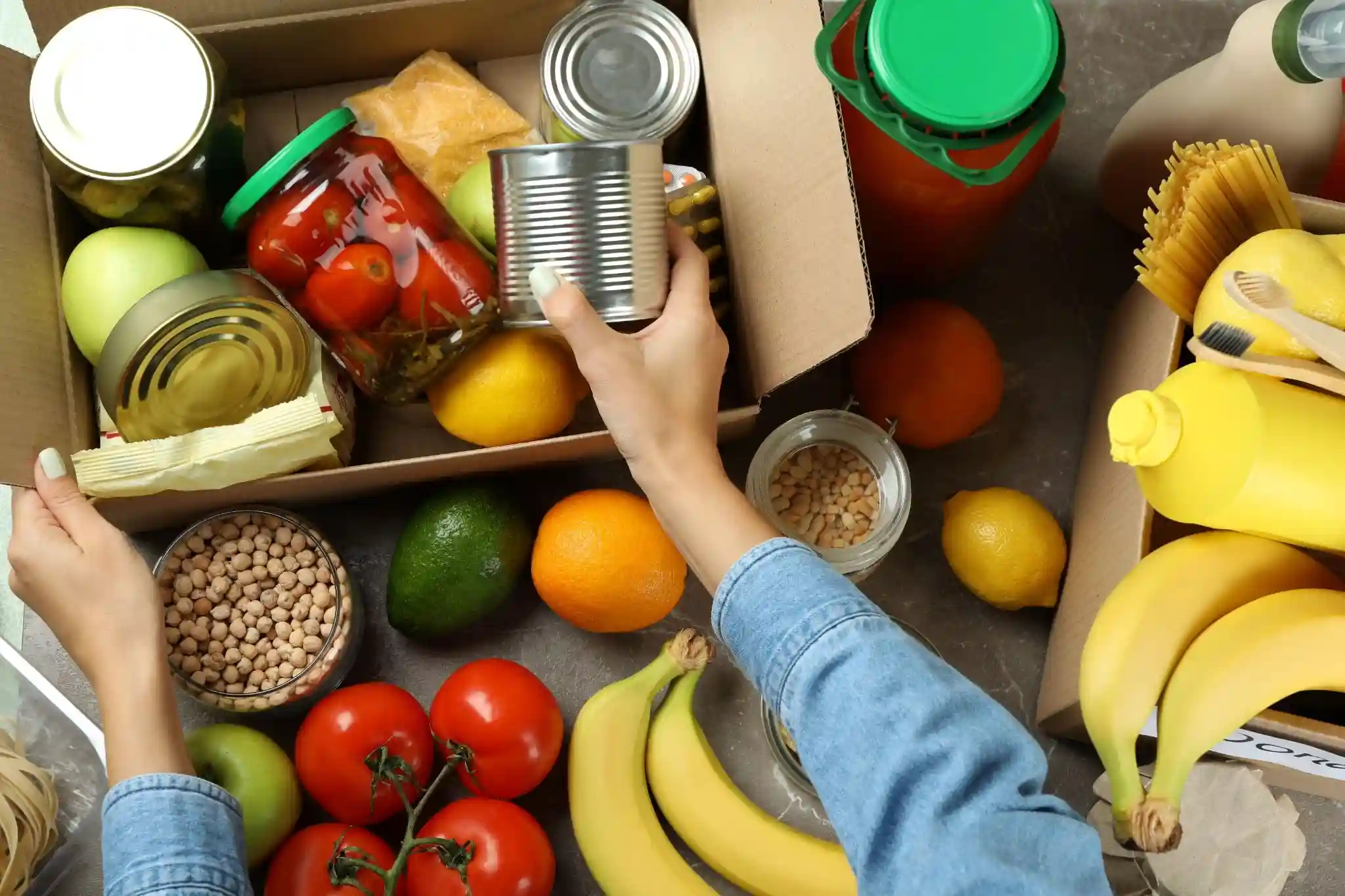
Pantries offer a wide range of items, such as:
- Fresh fruits and vegetables
- Canned goods
- Grains and pasta
- Snacks and beverages
- Baby food and formula
- Hygiene items
- Household necessities
Every pantry is different, but their mission is the same, making sure no one goes hungry.
How Food Pantries Work
Food pantries rely on donations, volunteers, partnerships with regional food banks, and local businesses. Many operate out of churches, community centers, schools, or nonprofit organizations.
Here’s a simplified version of how they function:
- Food Banks Supply Bulk Items Large food banks receive donations and purchase food at scale. They distribute it to nearby pantries.
- Pantries Organize and Repackage Volunteers sort items, shelve them, prepare grocery bags, and assist visitors.
- Visitors Receive Food Based on Availability Some pantries offer a “choice pantry” model, where you shop like a grocery store. Others distribute pre-packed bags.
- Documentation (If Any) Is Minimal Many pantries require no paperwork at all. If documentation is needed, it’s often just a name, zip code, and household size for reporting purposes.
The goal is dignity and accessibility. Pantries are created to help, not to judge.
Who Can Visit a Food Pantry?
The simple answer: anyone who needs food.
Food pantries do not require you to prove hardship. Many people think they won’t qualify, but pantries serve:
- Families with children
- Seniors
- Working adults with low income
- Individuals facing medical bills
- Students
- People experiencing temporary hardship
- Immigrants and refugees
- Anyone who needs extra support
If you need food, you are welcome.
How to Access a Food Pantry
Most food pantries have simple, welcoming processes. Here’s what to expect:
1. Look Up Pantry Hours
Pantries usually operate on specific days of the week. Many do morning and evening hours.
2. Bring Bags or Boxes
Some pantries provide them, but bringing your own can make pickup easier.
3. Check If You Need an Appointment
Some operate by appointment during busy seasons.
4. Arrive a Bit Early
Lines can form quickly, especially on high-demand days.
5. Expect Friendly Volunteers
Volunteers guide you through the process, whether it’s a drive-thru model or walk-in shopping.
Most importantly, you will be treated with respect. Food pantries are safe, judgment-free spaces.
How to Find a Food Pantry Near You
Every community has options. Here are the most reliable ways to locate a pantry:
1. Use Local Search Tools
Searching “food pantry near me” often brings up nearby locations instantly.
2. Call 211
This nationwide service provides real-time information on pantries by location.
3. Visit Your County Website
County departments often maintain updated lists.
4. Check School Districts
Many schools partner with food pantries or host distribution events.
5. Explore Local Nonprofits and Churches
Faith-based groups run a large portion of food pantries nationwide.
6. Check Eligibility for Mobile Food Pantries
These travel to neighborhoods with high need and limited access.
No matter where you live, support is usually closer than you think.
What You Can Expect to Receive
Food varies based on donations and partnerships, but you may find:
- Fresh produce such as apples, potatoes, onions, or leafy greens
- Canned foods like soups, vegetables, beans, and tuna
- Pantry staples like rice, pasta, oats, or cereal
- Protein items such as peanut butter, chicken, or plant-based options
- Snacks and drinks
- Frozen foods
- Baby and toddler supplies
- Hygiene items
Many pantries aim to offer balanced, nutritious options, not just shelf-stable items.
Supporting Your Local Food Pantry
Food pantries depend on the community. Even small acts of support can make a big difference.
1. Donate Food
Shelf-stable items, fresh produce, and culturally familiar foods are always appreciated.
2. Donate Money
This is often the most helpful contribution. Pantries can stretch a dollar much further than individuals.
3. Volunteer Your Time
Pantries need help sorting, packing, greeting visitors, and managing distributions.
4. Spread the Word
Sharing information about pantry hours and services can reach people who need help.
5. Organize a Food Drive
Schools, businesses, and neighborhoods can collect large amounts of food.
Supporting local pantries keeps communities strong.
Myths About Food Pantries — And the Truth
Myth #1: Only “poor” people use food pantries.
Truth: Many pantry visitors are working adults, seniors, or people facing temporary challenges.
Myth #2: You need proof of income.
Truth: Most pantries do not require proof of anything beyond basic contact info.
Myth #3: Food pantries only offer canned goods.
Truth: Many now provide fresh produce, meat, dairy, and even specialty foods.
Myth #4: There’s shame in asking for help.
Truth: Pantries exist because communities care. Asking for help is a strength, not a weakness.
FAQs
1. How often can I visit a food pantry?
This depends on each organization. Some allow weekly visits, others twice a month. Always check the specific pantry’s rules.
2. Do pantries offer delivery?
Some do, especially for seniors or people with disabilities. Many communities also offer mobile pantry services.
3. Can undocumented individuals access food pantries?
Yes. Most pantries do not ask about immigration status. They focus on feeding people, not screening them.
Conclusion
Food pantries are lifelines. They bridge gaps, reduce hunger, and bring communities together. Whether you’re seeking support or looking for ways to give back, food pantries make sure no one faces food insecurity alone. By knowing how to access them, how they operate, and how to support the people behind them, you become part of a larger mission, building a healthier, more connected, and more compassionate community.
If you or someone you know needs help, reach out to your nearest pantry. And if you’re able to support, consider donating or volunteering. Food pantries thrive when communities come together, and together, we can make sure every family has food on the table.